
It’s easy to think of UV printing purely in the context of giveaways or promotional items, but that’s only part of the story. What’s emerging is a broader, commercially significant category: custom product manufacturing. Made-to-order, highly personalised items produced at low volume and high margin.
This article explores how your business can implement UV print into your customisation and personalisation business.
Who Is Print Personalisation For?
UV print personalisation is no longer a side hustle market. It’s part of a retail shift toward mass customisation, where products are created in small batches, often one at a time, with tailored designs. UV printing allows producers to skip the setup stage entirely, printing directly to final items with zero tooling or drying time.
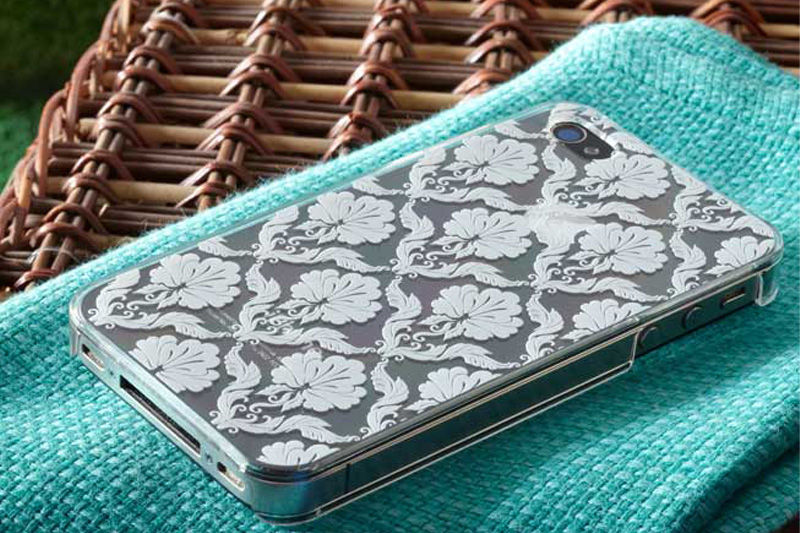
The ability to print just one unit profitably makes UV indispensable for:
- eCommerce entrepreneurs building custom product lines
- Designers and illustrators turning art into physical products
- Retailers and concept stores offering in-store personalisation
- Corporate gift suppliers running short campaigns with premium appeal
- B2B product customisers offering fast, flexible branding on gadgets or devices
It’s not about putting a name on a mug. It’s about creating a demand for products that didn’t previously exist and meeting that demand the moment it appears.
Technology that Scales with Ambition
Roland DG’s expanded UV range is particularly well-suited to this evolving market, providing not just different sizes, but different production capabilities:
- VersaSTUDIO BD-8 and BD-12: These compact UV printers are ideal for creators, influencers, and micro-studios. Affordable, desk-friendly, and designed for flexibility across product types.
- VersaOBJECT MO-180 and MO-240: With improved head technology, faster throughput, and enhanced media compatibility, these printers are workhorses for businesses handling varied work, from gadgets to packaging prototypes.
- VersaOBJECT LO/COi Series: These large flatbed UV systems serve industrial applications but are increasingly used for batch production of decorated components, short-run electronic device personalisation, and fully customised promotional sets with precise jig-based positioning.
Crucially, all these devices support jigs, templates, and fixtures, which enable efficient personalisation across multiple units or objects with irregular shapes. Whether it’s 300 earbud cases or 30 acrylic awards, alignment, colour fidelity, and finish consistency remain high.
Creative Differentiation: Textures, Layers, and Effects
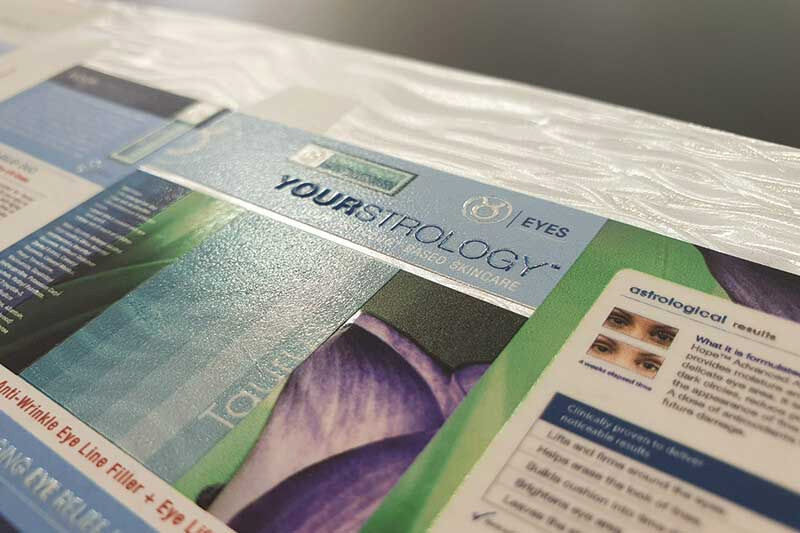
The advantages of UV don’t stop at colour. With clear ink and layering capabilities, UV allows products to feature:
- Gloss spot effects for selective branding or patterns
- Embossed textures for tactile enhancement (woodgrain, leather, raised logos)
- Distance Mode for printing on uneven or curved surfaces
- Simulated depth or layering for 3D-illusion prints
- Braille or functional print for signage or accessibility items
These products are perceived as premium, not mass-produced, and command a higher price as a result.
From Commodity to Craft: The Emotional Value of UV Printing
Algorithms and anonymous transactions dictate much of today’s consumer behaviour, so physical products that feel made for the user stand out. UV printing is more than just a technology that allows for decoration, it’s part of a shift from volume to value, from sameness to individualism.
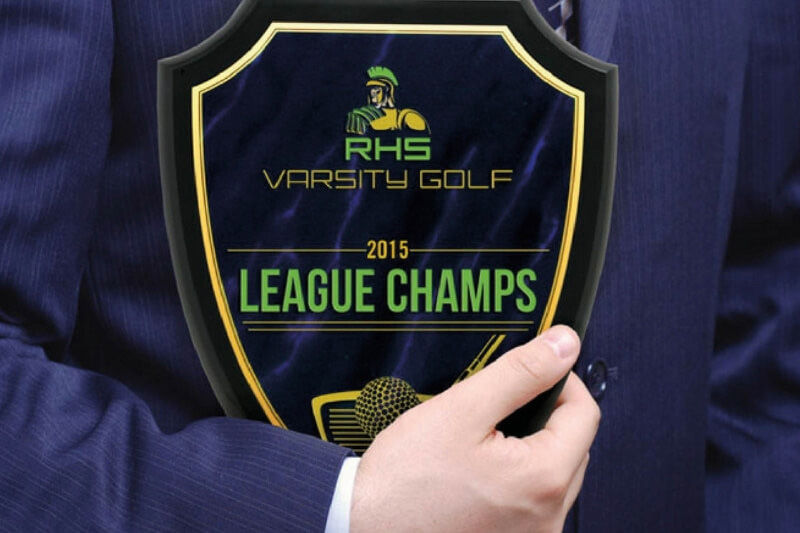
Whether it’s:
- A child taking their personalised stationery set to school
- A podcast fan unboxing a limited-edition branded mic cover
- A design student producing a bespoke product line for their portfolio
- A coach presenting their team with their end-of-season award
- A corporate brand building curated welcome kits with named items
- UV makes it possible; economically, logistically, and creatively.
Sustainability and the Value of Durability
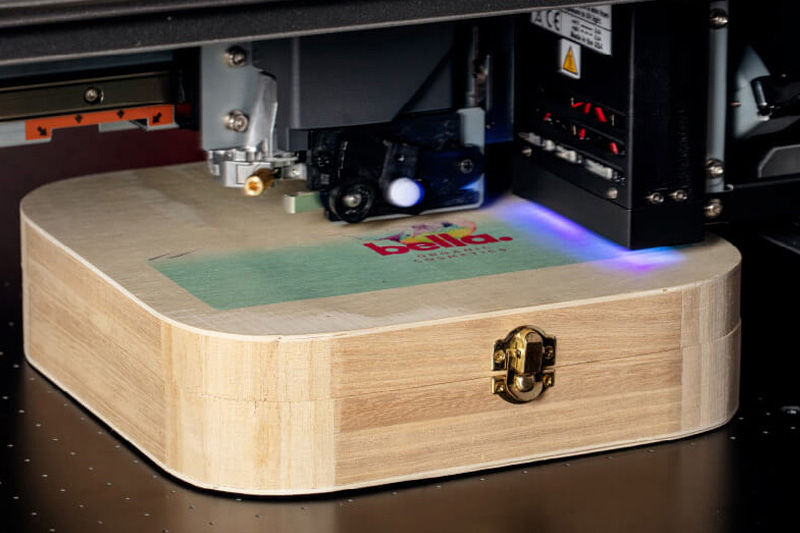
Buyers are asking more questions about the footprint and lifecycle of the products they are looking to buy. UV contributes meaningfully here, not by claiming to be green in isolation, but by enabling better choices in how things are made.
- LED curing means lower power draw and no ozone emissions.
- Dry-on-contact ink means no post-treatment, no waste, and fewer reprints.
- On-demand workflows eliminate excess inventory and warehousing.
- Durability reduces disposability: prints are resistant to scratching, fading, and solvents.
Pair UV with more sustainable substrates, certified wood, recycled acrylic, eco leather, etc., and eco-conscious creators and brands can create an intriguing, low-impact product portfolio.
Conclusion: Print Is Personal
Personalisation today is about purpose, not scale. From smaller manufacturing studios to commercial print providers, those embracing UV technology are doing more than printing logos. They’re creating products that are meaningful and memorable. Whether you're producing an individual skateboard deck or 200 golf balls, UV printing bridges the gap between ideas and a virtually limitless canvas. Roland DG’s UV portfolio is ready for you, whether you’re just starting out or scaling up. If you’d like any more information on anything you’ve read in this article, our experts would be happy to help.